
RESEARCH
As a designer and researcher, I develop biogenic materials to achieve gigaton-scale climate impact through advancing technical innovation, market viability, and cultural legibility.
I treat design as a method of inquiry for climate intervention.
How can design catalyze decarbonization?
Research Thrusts
Things
My past work demonstrates the power of design-led experimentation to generate novel material systems and industry impact. My algae-based bioplastics (US patent US20220204653A1) led to industry collaborations, and in 2024, I became one of the youngest people to have my work added to the permanent collection of the Metropolitan Museum of Art based on the significance of my work to the fashion industry.
Humans
Technical merit alone won't scale biogenic materials and their potential for positive impact. Success requires alignment between technological capability and societal acceptance. Through an RtD lens, prototypes function as conversation tools and tangible proof of alternative presents that help stakeholders imagine new markets and negotiate preferred futures.
Systems
Designers have always mediated between people and technologies. My research extends that mediation to the level of planetary material flows, exploring how design can integrate with systems analysis, carbon accounting, and sustainability science to identify leverage points for maximal impact.
Global Impact
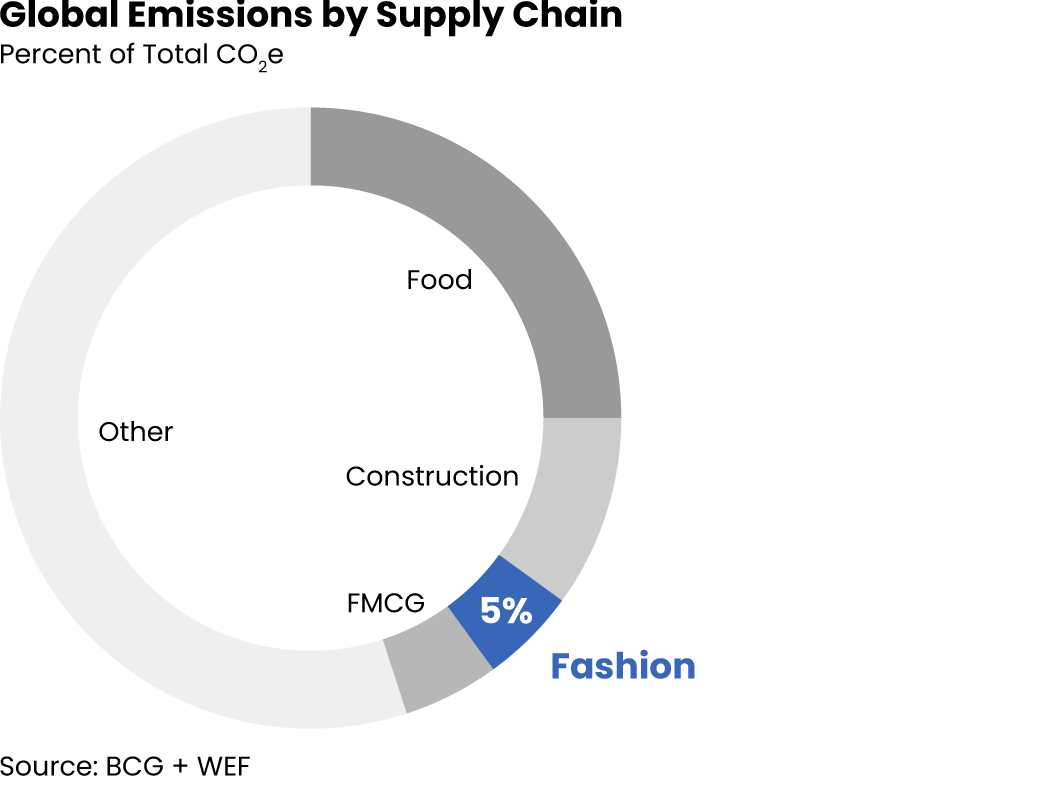
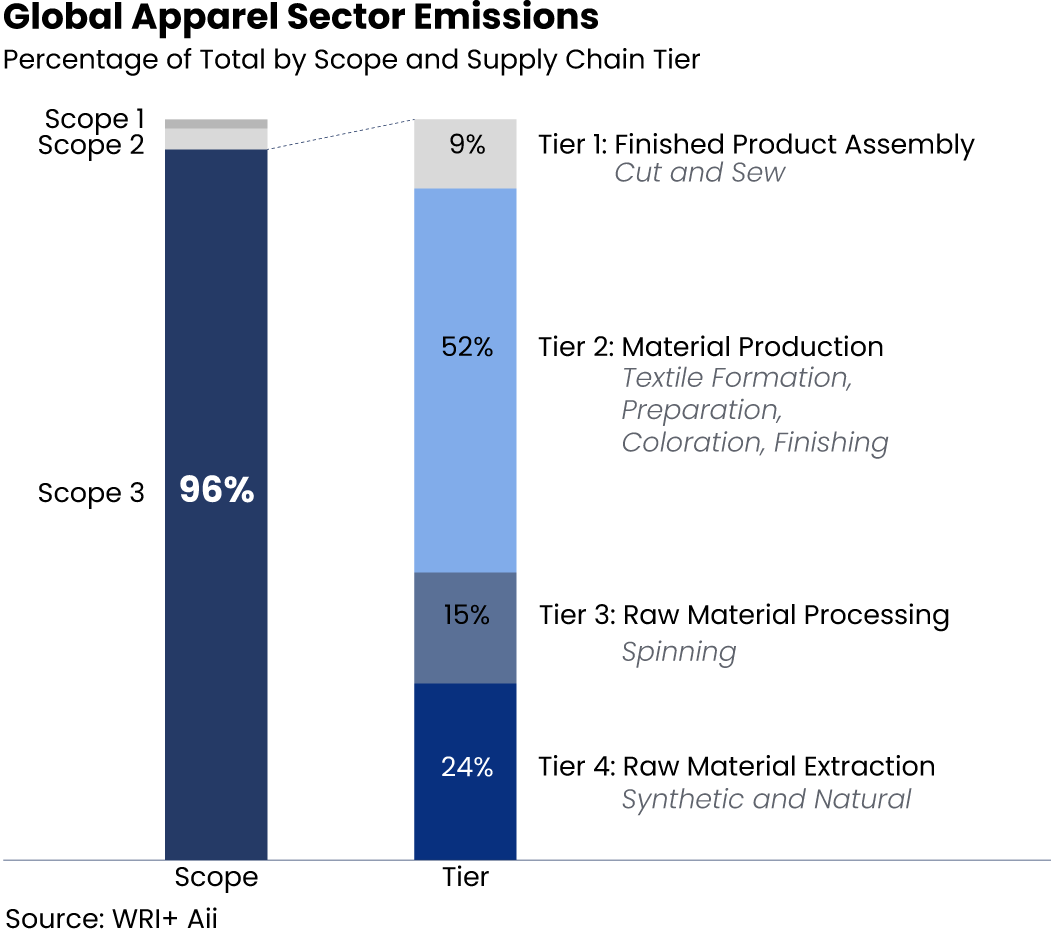
The global apparel industry, worth $2 trillion and employing one in eight workers worldwide, is the third-largest industrial supply chain, in terms of greenhouse gas emissions, after food and construction, producing more than a gigatonne of CO₂e annually and projected to reach 2.5 gigatonnes by 2050.
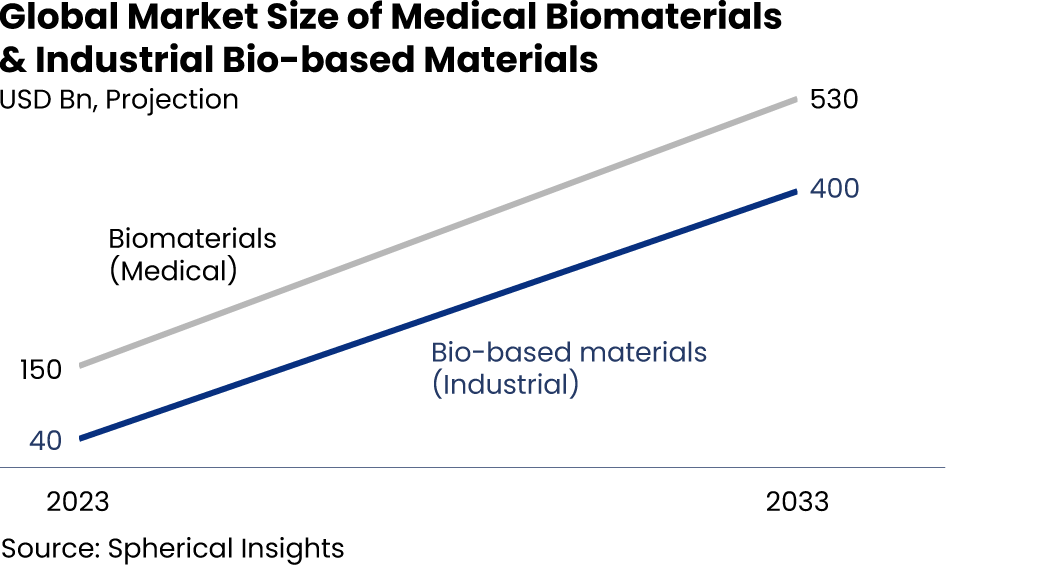
The bio-based materials market, which focuses in part on substituting fossil-fuel-derived feedstocks in high-volume consumer goods, packaging, and textiles, is projected to grow from $40 billion to $400 billion by 2033. Federal and state policy, domestically and internationally, and corporate sustainability targets contribute to this 25% CAGR growth. The medical biomaterials market, by point of comparison, is projected to be a $530 billion market by 2033.
Enabling the next industrial paradigm
Next generation sustainable materials have an important role to play as global policy mandates, market demand, and innovation opportunities converge.
The critical gaps in industry including lack of standardization, erosion of consumer trust, and poor translation of lab science to industrial viability, are all fundamentally design- and engineering-led challenges, not purely scientific ones. Charlotte McCurdy is a leader in this technological, regulatory, and market transformation at a critical moment, leveraging both research funding and industry partnerships while training the next generation of leaders in the emerging bioeconomy.